
Historically, the concept of pain has been described as a linear relationship between identifiable organic pathology and patient-reported symptoms. This concept has been taken over by the “biopsychosocial model”, which dominated the scientific community after it was first described by George Engel in 1977. He identified the need for a new “medical model” that would supplant the old biomedical model of disease and would incorporate social, psychological, and behavioral dimensions of illness.
Chronic pain has been recognized as persisting pain past normal healing time and hence lacks the acute warning function of physiological nociception. Biomedical models failed to explain the presence and development of chronic pain. Hence, the biopsychosocial model which describes pain and disability as a multidimensional, dynamic interaction among physiological, psychological, and social factors that reciprocally influence one another, explains why certain individuals develop chronic pain.
In some patients chronic pain persists and can not be treated using conventional biomedical sense; the presence of pscho-social factor warrants the needthat the patient who is suffering from the pain must be given the tools with which their long-term pain can be managed to an acceptable level. This has led to the rise of various multiple management approaches for the individual with chronic pain.
There has been a lot of ambiguity in how these management approaches have been explained in the literature. We come across words like “complementary,” “alternative,” and “integrative,” but do we really understand their meanings? According to recent surveys many people suffering from chronic pain opt for health care approaches that are not typically part of conventional medical care or that may have origins outside of usual Western practice. When describing these approaches, people often use “alternative” and “complementary” interchangeably, but the two terms refer to different concepts:
- If a non-mainstream practice is used together with conventional medicine, it’s considered “complementary.”
- If a non-mainstream practice is used in place of conventional medicine, it’s considered “alternative.”
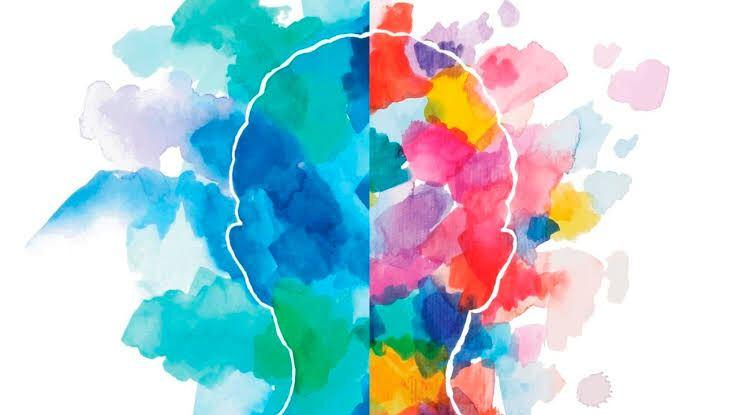
The National center for complementary and integrative health proposes a more inclusive term for incorporating different approaches under one i.e. is “Integrative Health”. Integrative health care often brings conventional and complementary approaches together in a coordinated way. It emphasizes a holistic, patient-focused approach to health care and wellness—often including mental, emotional, functional, spiritual, social, and community aspects—and treating the whole person rather than, for example, one organ system.
The integrative approach for the management of chronic pain has increased over the last decade and there has been a lot of studies in this domain. There are different types of Integrative approaches which are currently being researched and used in clinical settings. The following are domains of integrative therapy.
| Mind Body Programs |
| Energy Therapies |
| Body based or Manipulative |
| Natural Products |
| Whole Systems (Includes Traditional medicines and Ayurveda) |
The whole-systems approaches incorporate many of the integrative therapies. The dominant approaches are traditional medicine and Ayurveda.
Body-based manipulative therapies include chiropractic and massage therapy. Examples of natural products include dietary supplements, antioxidants, vitamin megadose, specialized diets, and herbs. Energy-based therapies include reiki and healing touch.
Mind Body approaches include a large and diverse group of procedures or techniques administered or taught by a trained practitioner or teacher.
Mind–body approaches include meditation, mindfulness meditation, guided imagery, music therapy, creative arts therapy, self-hypnosis, yoga, tai chi, and qigong, among many other types of physical and spiritual practices. (link)

Mind–body therapies focus on the interactions between the brain, mind, body, and behaviors and on the ways in which emotional, mental, social, spiritual, and behavioral factors can directly affect health. Though the amount of research on mind and body approaches varies widely depending on the practice. The therapies that are termed as mind body approaches also vary accordingly. There is no set classification system for identifying different mind body approaches.
This blog is my first attempt at understanding different approaches that exist in the healthcare framework and are being used for chronic pain! The aim of the blog was to identify and explore the different complementary therapies that are being used for chronic pain patients. These therapies lack evidence and should be tested using robust trials before they are used in individuals with chronic pain. The lack of evidence puts a question mark on the efficacy and safety of these therapies.
I hope that the use of these therapies will be used with caution until more robust evidence comes out that tests the efficacy and safety of these therapies.
Thanks for reading.
Ammar Suhail PT
References
Fillingim RB, Loeser JD, Baron R, Edwards RR. Assessment of chronic pain: Domains, methods, and mechanisms. The Journal of Pain. 2016 Sep 1;17(9): T10-20.
Hylands-White N, Duarte RV, Raphael JH. An overview of treatment approaches for chronic pain management. Rheumatology international. 2017 Jan 1;37(1):29-42.
Meints SM, Edwards RR. Evaluating psychosocial contributions to chronic pain outcomes. Progress in Neuro-Psychopharmacology and Biological Psychiatry. 2018 Dec 20;87:168-82.
Rosenthal DS, Webster A, Ladas E. Integrative therapies in patients with hematologic diseases. InHematology 2018 Jan 1 (pp. 2253-2261). Elsevier.
Treede RD, Rief W, Barke A, Aziz Q, Bennett MI, Benoliel R, Cohen M, Evers S, Finnerup NB, First MB, Giamberardino MA. A classification of chronic pain for ICD-11. Pain. 2015 Jun;156(6):1003.


 Research in Motion
Leave a comment