Caregivers are the most neglected part of the healthcare family. We may define a caregiver as “a family member who provides direct care for the one who is diseased”. The definition might be narrow in its own sense as it can not encompass what all responsibilities a caregiver fulfills. They must get accustomed to the changing status of health/ disease. The task for a caregiver becomes even more difficult when the one who he/she is caring for is a loved one who has to live with the disease or is at the end stage of life. For that matter, caring for a dying spouse at the end of life could presumably be the toughest task. It is emotionally drenching and equally physically exhaustive. At the core of it, the caregiver gets sometimes lost in the attention for the diseased.
The blog is a reflection of a paper titled “Caring for a dying spouse at the end of life: ‘It’s one of the things you volunteer for when you get married’: a qualitative study of the oldest carers’ experiences”. The paper was published in Age and Ageing (2016).
There are experiences of caregivers who spend their lives doing the same. When we explore the experiences of old aged caregivers, the two broad things were noticed: one was the willingness to care and the other one was their ability to care. When we compare this age group caregivers to their younger counterparts, we see that they are more willing to care and for longer periods of time even with their own illness, disability or frailty. The ‘burden’ of caring in this specific group is much greater than for younger carers. The most interesting thing observed in the paper was that they never consider caring as a burden. The paper highlighted different domains which these caregivers highlighted in their interviews. The willingness to care was considered a privilege by most of the carers.
The few themes that throw insight into their experiences:
- They developed their own ways of doing things.
‘He had different pills and the names we never understood at all so I drew funny faces by all the pills and then in my book I put funny faces so then we ticked off, I did manage to do on the computer a big charity thing and one of the boys when he was here he did it with the names of the pills and the funny faces and then we ticked off and I ticked off all those things, yes and the morphine and things yes’
- They considered caring as their duty.
‘Ill-health has crept up on me, I’ve got breathing difficulties which have got worse over the last twelve months, but even though in the last six months she was incontinent, doubly incontinent, it’s one of those things you volunteer for when you get married’.
- Most of these old age people developed resilience, they took up the challenge even when they knew very little about the disease and care.
I’m that sort of person, I’ve never done any intensive nursing in my life. Then you’re there in a situation, you handle it, you deal with it. It was a bit like being thrown in at the deep end really. But it amazed me what I managed to do actually’
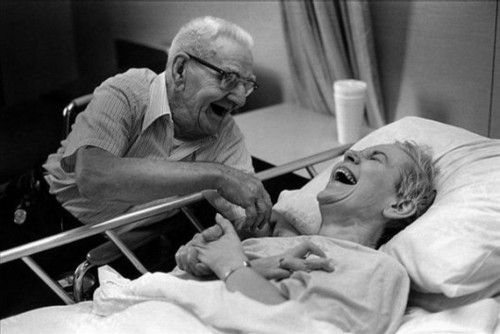
While we deal with such patients as health care providers, it is important to understand not just what the patient is going through but also what the caregiver feels. He/she is not just facing an emotional burden, but the age and her health issues make the task more difficult. We need to be more flexible and responsive to provide adequate support for the oldest carers. We have often seen the older caregivers giving in physically and mentally because of the neglect and needed attention they never get in the process of care giving.
Through this blog, we highlight that the issues faced by older caregivers, and in order to keep them going, we need to focus on the well-being of both the patient and caregiver.
Happy reading!


 Research in Motion
Leave a reply to Shiwani rai Cancel reply