The Problem We Need to Talk About
Imagine a healthcare team where nurses, doctors, and other professionals work alongside physiotherapists daily, yet fundamentally misunderstand what physiotherapy actually does. They respect the profession, believe it’s valuable, but can’t accurately describe its scope, when to refer patients, or how it integrates into comprehensive care.
This isn’t a hypothetical scenario—it’s the reality our research uncovered among healthcare students at Maldives National University.
We found a striking paradox: students hold positive perceptions about physiotherapy while simultaneously lacking basic knowledge about the profession. This gap has real consequences for patient care, interprofessional collaboration, and the healthcare system’s effectiveness.
Let me explain why this matters, what’s driving it, and—critically—what we need to do about it.
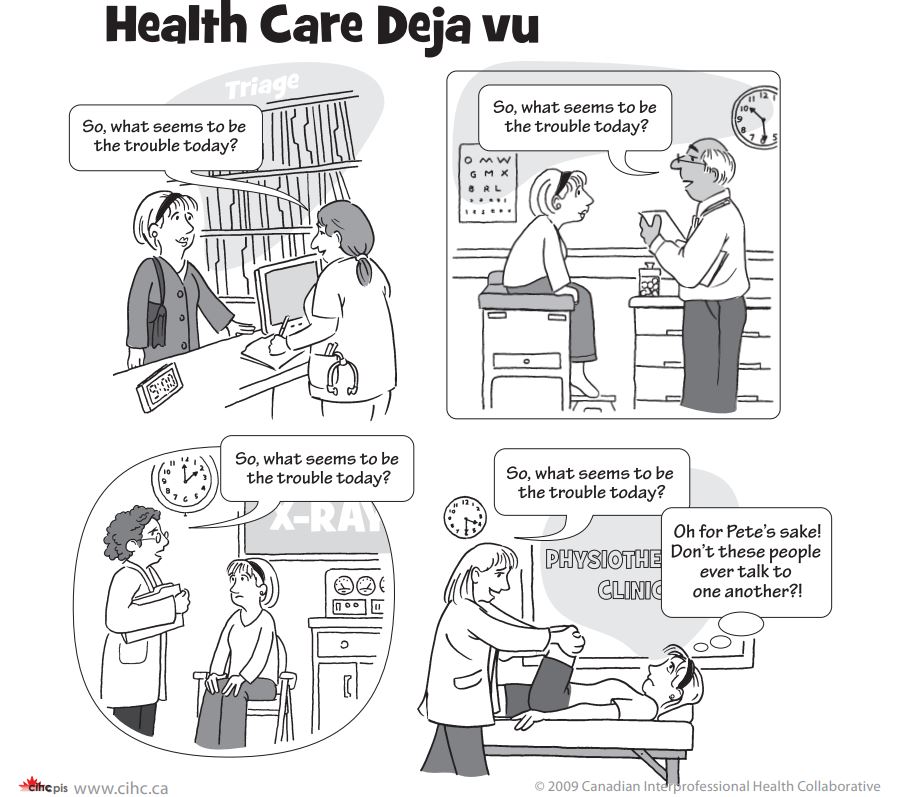
What We Found: The Knowledge-Perception Disconnect
Our cross-sectional survey of 318 healthcare students (medicine, nursing, pharmacy, medical laboratory science, psychology, and allied health) revealed:
Knowledge Score: 12/30 (40%) Students scored well below the 50% threshold we considered “adequate knowledge.”
Perception Score: 10/13 (77%) Students held consistently positive views about physiotherapy as a profession.
The paradox: Students think physiotherapy is important but don’t know what it actually involves.
What Students Think Physiotherapy Is
When asked what they associate with physiotherapy:
- 28% said “exercise” (the most common response)
- 18% said “massage”
- 12% said “fracture”
- Only 3.3% mentioned ICU (indicating near-complete ignorance of cardiorespiratory physiotherapy)
This reveals a narrow, outdated understanding—physiotherapy reduced to massage and exercise, with little awareness of its role in acute care, chronic disease management, neurological rehabilitation, or preventative medicine. These aren’t random misconceptions. They reflect persistent cultural stereotypes about physiotherapy that education hasn’t corrected.
The Implications: Why This Gap Matters
1. Delayed or Inappropriate Referrals
If a future doctor associates physiotherapy primarily with “massage and exercise,” when will they refer?
Likely scenarios:
- Too late: After prolonged immobility, has resulted in complications
- Too narrow: Only for musculoskeletal conditions, missing respiratory, neurological, or geriatric applications
- Inappropriately: Referring for conditions outside the physiotherapy scope while missing appropriate indications
Real consequence: Patients don’t receive timely, appropriate physiotherapy intervention.
2. Ineffective Team Communication
Interprofessional collaboration requires mutual understanding of roles. When team members don’t know what physiotherapists do:
- Treatment plans lack coordination
- Conflicting advice goes to patients
- Professional boundaries become unclear
- Opportunities for collaborative care are missed
Our finding that only 13.5% of students were aware of the physiotherapy curriculum suggests they have no framework for understanding physiotherapists’ training, competencies, or scope of practice.
3. Undermined Professional Credibility
The stigma physiotherapists face—being seen as “massage therapists” rather than autonomous healthcare professionals is reinforced when other healthcare students lack accurate knowledge.
This affects:
- Professional autonomy
- Scope of practice recognition
- Resource allocation
- Career development opportunities
What’s Driving the Knowledge Gap?
1. Absence of Interprofessional Education (IPE)
The most striking finding: Medical students had the highest knowledge scores.
Why? Our data suggests they have more exposure to interprofessional learning in their curriculum compared to other programs.
Critical inference: When curricula intentionally create opportunities to learn about other professions, knowledge improves.
Conversely:
- 86.5% were unaware of the physiotherapy curriculum
- 87.4% were unaware of physiotherapy subjects
Students are progressing through healthcare education in silos, never systematically learning about their future team members’ roles.
2. Limited Clinical Exposure
81.4% had never received physiotherapy treatment themselves.
This is important. Personal experience can be a powerful teacher; however, previous physiotherapy experience didn’t correlate with better knowledge in our study. This suggests that passive exposure isn’t enough; structured education is necessary.
3. Year of Study Effect
Knowledge increased significantly with the academic year:
- 1st year: K-score 10 (33%)
- 5th year: K-score 17 (57%)
What this tells us: Students do acquire knowledge over time, but it’s gradual, unsystematic, and still inadequate even by graduation.
Critical question: Why wait 5 years for knowledge that should be foundational?
4. Source of Knowledge: Family, Not Faculty
19% heard about physiotherapy from family members (the most common source), while only 16% from medical personnel and 13% from the internet.
What this reveals: Students are learning about physiotherapy through informal, potentially inaccurate channels rather than formal education.
Family members pass on cultural stereotypes. The internet provides variable-quality information. Neither systematically teaches the professional scope, evidence base, or integration of physiotherapy into healthcare teams.
The Unique Maldivian Context: Why This Research Matters Here
The Maldives presents unique healthcare challenges:
The Maldivian healthcare system is characterised by geographic dispersion across approximately 1,200 islands grouped into 26 atolls, a limited specialised workforce resulting in reliance on generalist healthcare providers, and restricted access to advanced medical facilities, which are largely concentrated in Malé.
These factors make interprofessional collaboration essential, not optional.
When a nurse on a remote island encounters a patient post-stroke, will they:
- Recognise the need for physiotherapy?
- Provide appropriate initial positioning and mobility guidance?
- Facilitate timely referral when the patient can access a physiotherapist?
Not if they don’t know what physiotherapy offers.
In resource-limited, geographically dispersed settings, every healthcare professional needs to understand when and how to engage physiotherapy services. The knowledge gap we identified directly undermines healthcare delivery effectiveness.
Critical Analysis: What’s Really Happening Here?
Let’s be honest about what this data reveals:
The Perception-Knowledge Gap Isn’t Random
Positive perceptions despite poor knowledge suggest students have absorbed cultural messaging that physiotherapy is “good” or “important” without understanding why or how.
This is problematic because:
- It creates complacency (“I already value physiotherapy, so I don’t need to learn more”)
- It prevents critical engagement (“What does physiotherapy actually do that’s valuable?”)
- It maintains superficial respect without functional collaboration
The “Massage” Association Is Deeply Rooted
Nearly one-fifth of students associate physiotherapy with massage. This isn’t ignorance, it’s persistent cultural framing.
Physiotherapy emerged historically alongside massage and manual therapy. In many cultures, this association remains dominant despite the profession’s evolution to evidence-based, autonomous practice encompassing far more than manual techniques.
Educational implication: Simply providing information won’t overcome deeply held cultural associations. We need deliberate, structured interventions to reframe understanding.
Medicine Students’ Higher Knowledge Reveals Curriculum Gaps
Medicine students scored significantly better than other healthcare students.
Two interpretations:
- Positive interpretation: Medical curricula include more interprofessional content
- Concerning interpretation: Other healthcare programs are systematically failing to prepare students for collaborative practice
Both are probably true. But the concern is that nursing, pharmacy, and allied health students who will work just as closely with physiotherapists are being prepared inadequately.
Gender Balance Masks Underlying Issues
89.9% of respondents were female, yet we found no gender differences in knowledge or perception.
What this might mean:
- The profession of physiotherapy may be perceived as gender-neutral in this context
- Or, gender differences in healthcare education have been overcome
- Or, our sample’s gender imbalance simply prevented detecting real differences
What it doesn’t mean: That gender isn’t a factor in interprofessional dynamics more broadly. Research elsewhere suggests gender can influence professional hierarchies and collaborative behaviours.
What Needs to Happen: Evidence-Based Solutions
Based on our findings and the broader literature, here’s what needs to change:
1. Mandatory IPE Across All Healthcare Programs
The current situation: Students learn about other professions incidentally, informally, or not at all.
What’s needed:
- Integrated curricula: From year 1, students from different programs learn together
- Structured content: Systematic coverage of each profession’s scope, training, and evidence base
- Clinical integration: Joint clinical placements where students observe and participate in interprofessional teams
Evidence from our study: Knowledge increases with year of study and differs by program, suggesting curriculum matters. Medicine students’ higher scores indicate that when programs prioritise interprofessional learning, knowledge improves.
2. Explicit Curriculum on Each Healthcare Profession
Current gap: 86.5% unaware of physiotherapy curriculum; 87.4% unaware of the subjects physiotherapists study.
Proposed solution: Each healthcare program should include a module: “Introduction to Healthcare Professions,” covering:
- What each profession studies
- How they’re trained
- What they’re qualified to do
- When to refer/consult
- How they collaborate
This should cover: Medicine, nursing, physiotherapy, pharmacy, psychology, medical laboratory science, nutrition, occupational therapy, speech therapy, and social work. You can’t collaborate effectively with professionals whose training and competencies you don’t understand.
3. Clinical Simulation and Case-Based Learning
Current reliance: Family members (19%) and medical personnel (16%) as knowledge sources—both passive and unreliable.
Alternative approach:
- Simulated cases requiring interprofessional management
- Joint case conferences where students from different programs discuss patient scenarios
- Shadowing experiences where students observe professionals from other disciplines
Example scenario for nursing students: “A 68-year-old woman, 3 days post-hip replacement, is in pain and refusing to mobilise. How do nursing, physiotherapy, medicine, and pharmacy collaborate to optimise her recovery?”
This will make professional roles concrete rather than abstract, emphasising that while boundaries between disciplines should not be blurred, there must be a clear and informed understanding of each other’s roles to enable effective collaboration.
4. Address Cultural Misconceptions Directly
The “massage” association won’t disappear through passive education.
Needed approach:
- Explicitly acknowledge common misconceptions
- Directly contrast historical versus contemporary physiotherapy
- Use evidence to demonstrate scope: ICU mobility, neurological rehab, chronic disease management, sports medicine
- Invite physiotherapists to teach sessions in other healthcare programs
Don’t just say “physiotherapy is more than massage.” Explain why the massage association persists, how the profession evolved, and what contemporary physiotherapy encompasses.
5. Leverage Technology for Distributed Learning
Maldivian context: Geographic dispersion makes in-person IPE challenging.
Solution: Digital platforms for interprofessional learning
- Virtual case discussions connecting students across islands
- Recorded lectures from different healthcare professionals
- Online modules covering each profession’s scope and roles
- Discussion forums where students can ask questions across disciplines
This addresses both geographic barriers and resource limitations.
The Bigger Question: What Does This Mean for Patient Care?
Let’s bring this back to why it matters.
Scenario 1: The Missed Referral
A patient with chronic obstructive pulmonary disease (COPD) is managed by a GP who associates physiotherapy with “exercise for injuries.” The patient never receives pulmonary rehabilitation—a physiotherapy intervention with strong evidence for reducing hospitalisations and improving quality of life.
Our data predicts this: Only 3.3% of students mentioned ICU when thinking about physiotherapy. If students don’t associate physiotherapy with respiratory conditions, future doctors won’t refer appropriately.
Scenario 2: The Delayed Mobilisation
A post-operative patient on a surgical ward isn’t mobilised for 5 days because the nursing staff “didn’t want to interfere with physiotherapy”, and the physiotherapist wasn’t consulted because the surgeon “thought it was too early.”
Root cause: Unclear understanding of roles, scope, and timing of interventions.
Our data predicts this: Low awareness of physiotherapy curriculum and scope creates confusion about when and how to engage physiotherapy services.
Scenario 3: The Undermined Intervention
A physiotherapist recommends graded activity for chronic pain. The patient mentions this to their doctor, who says, “You don’t need physiotherapy, just take these pain medications.”
Root cause: The doctor doesn’t understand physiotherapy’s role in pain management or the evidence base for active interventions.
Our data predicts this: A narrow understanding of physiotherapy (exercise, massage) doesn’t include contemporary pain science and multimodal management.
Our Responsibility as Researchers: Dissemination and Action
This blog originated from a discussion with my supervisor, where she emphasised something crucial: Research isn’t complete when the paper is published. Researchers have a responsibility to disseminate findings and advocate for implementation.
This paper identified a problem. Now we need to:
1. Share Findings with Stakeholders
- MNU leadership: Present to deans and curriculum committees
- Faculty members: Share with educators who can modify teaching
- Student organisations: Engage students themselves in advocating for change
- Ministry of Health: Inform policy decisions about healthcare education
2. Propose Concrete Interventions
Don’t just say “IPE is needed.” Propose:
- Specific curriculum changes (with example syllabi)
- Pilot programs (with evaluation frameworks)
- Resource requirements (realistic budgets and timelines)
- Implementation strategies (accounting for the Maldivian context)
3. Build Coalitions
One research paper won’t change a system.
We need:
- Physiotherapy educators advocating within their institutions
- Other healthcare educators are recognising the shared problem
- Students are demanding better preparation for collaborative practice
- Healthcare administrators are seeing the patient care implications
4. Measure Progress
Establish:
- Baseline data (this study provides it)
- Intervention trials (testing specific IPE approaches)
- Longitudinal tracking (do knowledge/perception change over time?)
- Outcome measurement (Do graduates with IPE training collaborate more effectively?)
A Final Reflection: Knowledge Gaps as Barriers to Care
The disparity between positive perceptions and poor knowledge isn’t just an academic curiosity—it’s a barrier to effective healthcare.
Students who think physiotherapy is valuable but don’t know what it involves will become professionals who:
- Miss referral opportunities
- Provide conflicting advice
- Duplicate or omit interventions
- Fail to coordinate care effectively
And patients will suffer the consequences.
This is solvable. We know what works:
- Interprofessional education
- Structured curriculum content
- Clinical integration
- Direct exposure to diverse professionals
The question isn’t whether we can close the knowledge gap. It’s whether we will.
Conclusion: From Evidence to Action
Our research revealed that healthcare students in the Maldives hold positive perceptions about physiotherapy while lacking fundamental knowledge about the profession. This paradox has immediate implications for patient care and long-term implications for healthcare system effectiveness.
The good news: Positive perceptions provide a foundation for knowledge acquisition. Students are receptive; they just haven’t been taught.
The challenge: Knowledge gaps won’t close on their own. Without deliberate educational interventions, the next generation of healthcare professionals will perpetuate the same misconceptions, missed referrals, and collaboration failures we see today.
The path forward is clear:
- Implement mandatory interprofessional education across all healthcare programs
- Develop explicit curriculum content about each healthcare profession
- Create clinical experiences that make interprofessional roles concrete
- Address cultural misconceptions directly and systematically
- Leverage technology to overcome geographic barriers
The question for educational institutions, policymakers, and healthcare leaders is simple:
Will we continue graduating healthcare professionals who don’t understand the teams they’ll work in?
Or will we prepare them—systematically, deliberately, and effectively—for the collaborative practice that patients deserve?
Our research provides the evidence. The next step is action.
Call to Action
For Educators: Review your curriculum. Where do students learn about other healthcare professions? If the answer is “nowhere systematically,” that needs to change.
For Students: Advocate for interprofessional education. You deserve to enter practice understanding the teams you’ll work in.
For Healthcare Leaders: Recognise that professional silos in education create barriers to collaboration in practice. Support IPE initiatives.
For Researchers: Build on this work. Develop and test IPE interventions in resource-limited, geographically dispersed settings like the Maldives.
For Everyone: Remember that behind these statistics are patients who need coordinated, comprehensive care from professionals who understand each other’s roles.
That’s what this research is ultimately about. That’s the problem we need to solve.
Reflection Questions
- How might the knowledge-perception paradox we found manifest in actual clinical practice? Can you envision specific patient scenarios where this gap would cause problems?
- If you were designing an interprofessional education program for the Maldivian context (geographic dispersion, limited resources, cultural factors), what would it look like?
- The “massage” association with physiotherapy—is this primarily an education problem, a cultural problem, or both? How would you address it?
- What role should physiotherapists themselves play in educating other healthcare students about their profession?
Reference
Qayyoom IA, Suhail A. Knowledge and perception of physiotherapy among healthcare science students at the Maldives National University. Bulletin of Faculty of Physical Therapy 2024; 29:85.
Author Note: This blog post represents critical analysis and interpretation of our research findings, written with the goal of disseminating results and advocating for evidence-based solutions to improve interprofessional education and patient care.
 Research in Motion
Leave a comment